
Disclosure: HearingPilot may earn a commission from qualifying purchases. Our editorial guidance is independent. Learn more.
Updated September 2026 · Medically educational, not personal medical advice
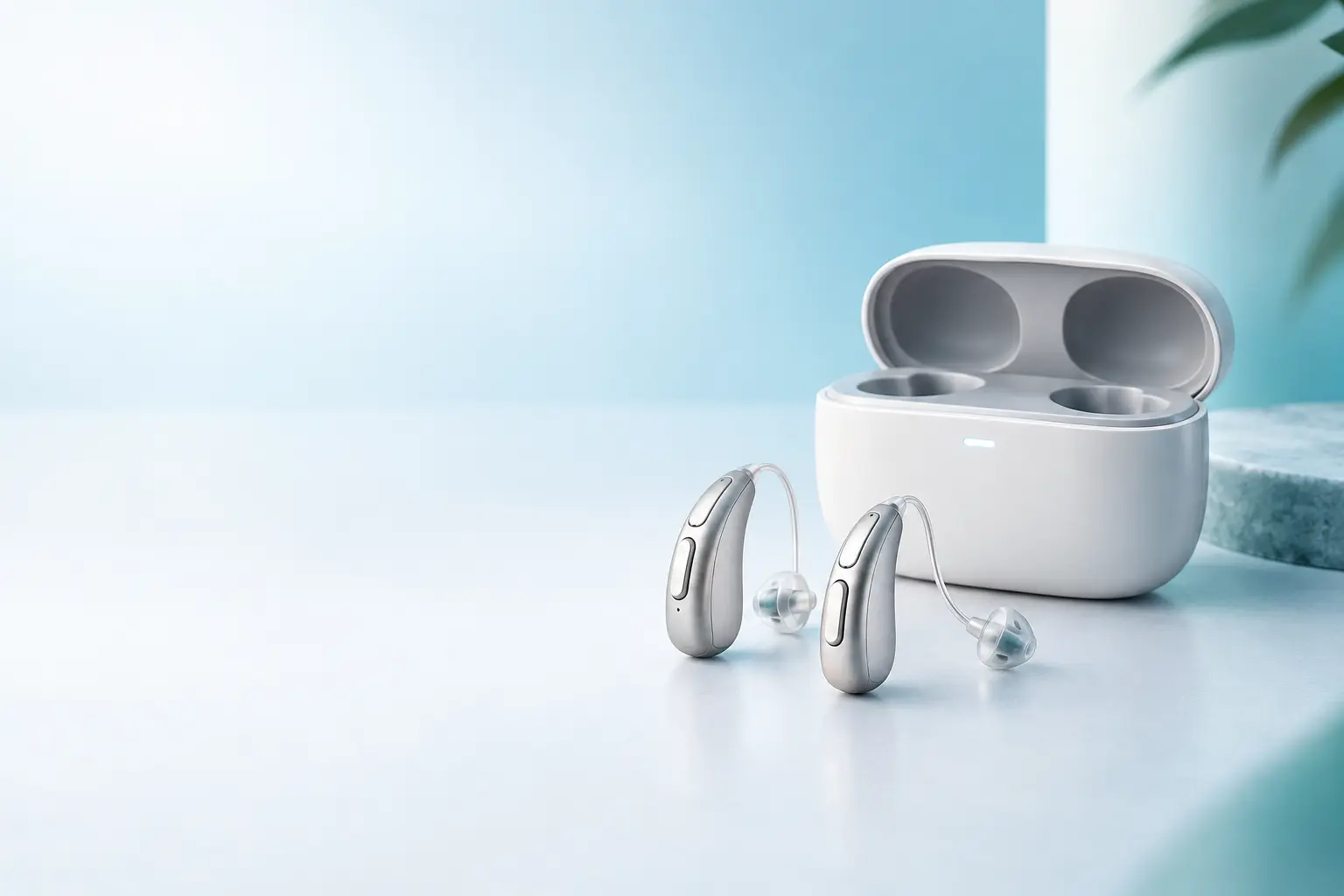
Affordable hearing aids can deliver useful everyday support, but a low sticker price is only a bargain when the device is comfortable, adjustable, returnable, and backed by reliable service.
Define affordable by total value
Price is only one part of ownership. Add accessories, replacement tips, wax guards, batteries or charger replacement, app requirements, shipping, and optional care plans. A slightly higher upfront price may be better value when support and a solid warranty are included.
Features worth paying for
Prioritize speech-focused sound processing, feedback reduction, multiple listening programs, volume control, and a fit system with several tip sizes. Rechargeable models can simplify daily use. Bluetooth streaming is convenient, but it should not replace good basic hearing performance.
Where budget products differ
Lower-cost devices may provide fewer adjustment bands, less effective noise management, shorter warranties, or limited human support. That does not automatically make them poor choices. It means the return policy and the fit process become especially important.
Avoid false economy
Very cheap sound amplifiers may make all sounds louder without addressing individual hearing needs. Personal sound amplification products are not hearing aids and are intended for people with normal hearing in particular situations. Confirm that a product is marketed and labeled as an OTC hearing aid when that is what you need.
A smart buying sequence
List your three hardest listening situations, choose a device style you can manage, confirm support and return terms, and test the product consistently during the trial period. Keep notes on speech clarity, comfort, battery life, and app reliability. Return a product that cannot be made comfortable or useful.
Quick comparison
| Cost factor | Question to ask |
|---|---|
| Device price | Is this for a pair or one device? |
| Support | Are remote adjustments or phone help included? |
| Returns | How many days, and are fees deducted? |
| Warranty | What failures and how many years are covered? |
| Supplies | What recurring parts must be purchased? |
Frequently asked questions
Are more expensive hearing aids always better?
No. NIDCD notes that higher price does not necessarily mean a hearing aid will better suit your needs. Fit, features, support, and consistent use matter.
Can affordable OTC models help?
For eligible adults with perceived mild to moderate hearing loss, a well-selected OTC device may be useful. Results vary, and red-flag symptoms need professional care.
Should I buy one or two?
If hearing loss affects both ears, two devices may support balanced listening. A hearing professional can help when you are unsure.
Trusted sources
Continue your research with our buying guides, comparisons, and transparent review process.